Every manufacturing project has a budget. Whether you are launching a new product or optimizing an existing one, finding ways to lower costs without compromising quality is a top priority. Injection molding cost reduction is achievable through smart design choices, material selection, and process optimization. But beware – cutting corners in the wrong places can lead to higher costs later. In this guide, we share practical, proven strategies to reduce your injection molding expenses. From design for manufacturability principles to cycle time improvements, these tips will help you get the most value from your production dollars.
Start with Design for Manufacturability (DFM)
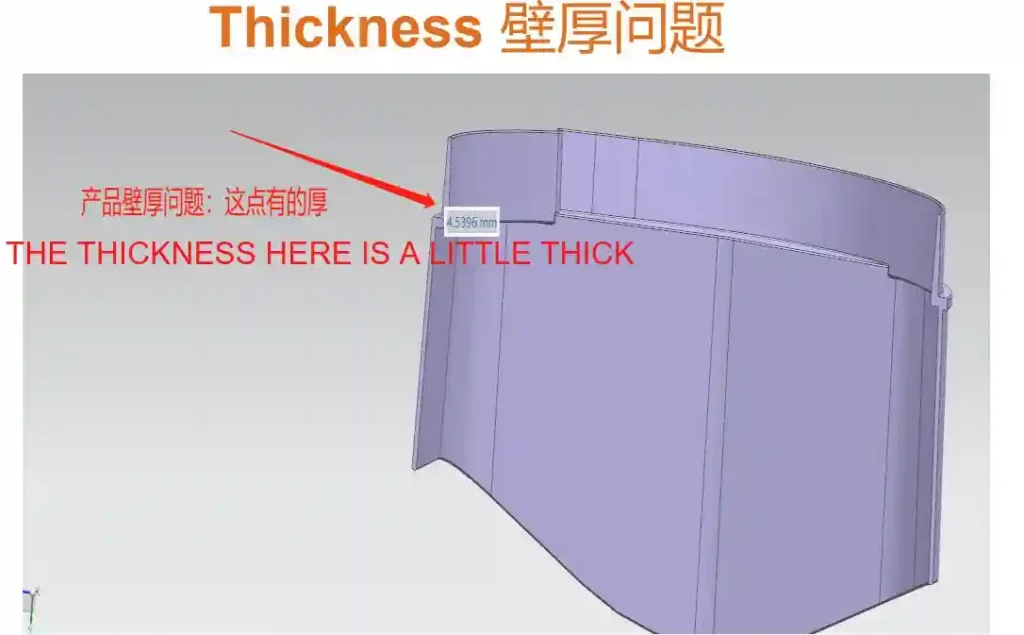
The biggest opportunities for cost savings are in the design phase. A small change in CAD costs nothing; a change after the mold is built can cost thousands.
Simplify Your Design
- Reduce part count – Can multiple parts be combined into one? Fewer parts mean fewer molds, less assembly, and lower costs.
- Eliminate unnecessary features – Every undercut, tight tolerance, or complex curve adds cost. Ask yourself: is this feature truly needed?
- Use standard wall thickness – Aim for 2–3 mm uniform walls. Thick sections increase cycle time and material use; thin sections may be hard to fill.
Optimize Ribs and Bosses
Ribs add strength without increasing wall thickness. Keep rib thickness at 50–60% of the nominal wall. Bosses should be cored out to avoid sink marks and reduce material.
Add Draft Early
Insufficient draft leads to ejection problems and can damage parts or molds. Adding 1–2° draft to vertical walls costs nothing in design but saves headaches in production.
Specify Realistic Tolerances
Tight tolerances require slower cycles, more inspections, and sometimes secondary operations. Only specify tight tolerances where functionally necessary. For most dimensions, ±0.1–0.2 mm is sufficient and cost‑effective.
For a deeper dive, see our design for manufacturability guide .
Choose the Right Material
Material cost is a significant part of the piece price. But the cheapest material is not always the most economical.
Avoid Over‑Engineering
Do you really need an engineering plastic like polycarbonate or PEEK? A commodity plastic like polypropylene or ABS might work at a fraction of the cost. Test lower‑cost alternatives if possible.
Consider Filled Materials
Adding glass fiber or mineral fillers can increase strength and stiffness, sometimes allowing thinner walls and faster cycles. The material cost per kg may be higher, but the overall part cost can be lower.
Use Regrind
For non‑critical parts, regrind (recycled plastic from runners or scrap) can be blended with virgin material to reduce cost. We can help you determine a safe regrind percentage for your application.
Optimize Color
Custom colors cost more than standard black or natural. If color is not critical, stick with standard options.
For detailed material guidance, refer to our material selection guide .
Reduce Cycle Time
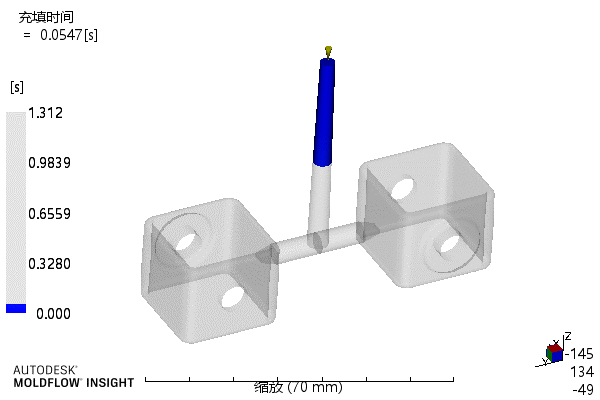
Cycle time is the time it takes to produce one shot of parts. Faster cycles mean more parts per hour, lowering the piece price.
Optimize Cooling
Cooling typically accounts for 50–80% of the cycle time. Efficient cooling channel design (conformal cooling) can dramatically reduce cooling time. Even small improvements add up over millions of parts.
Adjust Process Parameters
- Increase melt temperature – can help fill faster, but may increase cooling time.
- Optimize injection speed – faster injection can reduce fill time, but may cause defects.
- Balance hold pressure – enough to pack the part, but not so long that it extends cycle.
Use Hot Runner Systems
Hot runners eliminate the need to cool and eject runners, reducing cycle time and material waste. The upfront cost is higher, but for high‑volume parts, the savings are substantial.
Automate Part Removal
Robotic part removal can shave seconds off each cycle and reduce labor costs.
For more on process optimization, read our guide to optimizing injection molding cycle time .
Optimize Mold Design
The mold itself offers many cost‑saving opportunities.
Increase Cavity Count
If your volume justifies it, a multi‑cavity mold produces more parts per cycle, lowering the per‑part cost. The mold cost is higher, but the piece price drops significantly.
Use Family Molds
If you need several different parts in the same material, a family mold can produce them all in one cycle. This reduces tooling cost compared to individual molds.
Choose the Right Mold Base
Standard mold bases cost less than custom designs. Use standard sizes whenever possible.
Design for Easy Maintenance
Molds that are easy to clean and repair reduce downtime. Features like interchangeable inserts and accessible cooling connections save money over the mold’s life.
For more mold design tips, see our injection mold design guide .
Reduce Secondary Operations
Secondary operations – assembly, printing, packaging – add cost. Look for ways to integrate them into the molding process.
- In‑mold labeling (IML) – graphics are added during molding, eliminating post‑printing.
- In‑mold assembly – for two‑shot or insert molding, parts come out ready to use.
- Design for snap‑fit – avoid screws or adhesives by designing integral snap‑fits.
Choose the Right Partner
A skilled molder can save you money through:
- DFM feedback that catches costly issues early
- Efficient production with well‑maintained machines
- Transparent pricing – no hidden fees
- Reliable quality – fewer rejects, less waste
Real‑scenario example: A client came to us with a part that had a 60‑second cycle time. Our DFM review suggested adding a rib to reduce wall thickness and optimizing cooling channels. The new cycle time was 35 seconds – a 40% reduction. Over a million parts, they saved thousands in machine time alone.
Summary Checklist for Cost Reduction
- Simplify part design – fewer features, standard wall thickness
- Add draft angles (1–2°)
- Specify realistic tolerances
- Choose material wisely – avoid over‑engineering
- Consider regrind for non‑critical parts
- Optimize cooling and cycle time
- Evaluate multi‑cavity or family molds
- Integrate secondary operations where possible
- Partner with an experienced molder who provides DFM
Frequently Asked Questions
Q1: What is the biggest factor in injection molding cost?
A: For high volumes, cycle time and material cost dominate. For low volumes, tooling cost is the biggest factor.
Q2: Can I reduce cost by using a cheaper material?
A: Possibly, but ensure the material meets your performance requirements. We can help evaluate alternatives.
Q3: How much can DFM analysis save?
A: Clients often save 10–30% on part cost through design optimizations suggested in DFM.
Q4: Is it worth investing in a hot runner mold?
A: For high volumes (100,000+ parts per year), yes. The faster cycle and material savings usually justify the higher mold cost.
Q5: How do I know if my cycle time is optimal?
A: Compare to industry benchmarks for similar parts. An experienced molder can tell you if your cycle time is competitive.
Q6: Can you help reduce cost for an existing part?
A: Absolutely. We can review your current design and process and suggest improvements.
Conclusion
Reducing injection molding costs is a continuous process. It starts with smart design, continues with material and process choices, and relies on a skilled manufacturing partner. By applying the principles in this guide, you can produce high‑quality parts at the lowest possible cost.
At Miracles Manufacturing, we are committed to helping our clients achieve cost‑effective production. Contact us to discuss your project.