
Choosing the right material is one of the most critical decisions in any injection molding project. The material you select determines not only the part’s mechanical performance and durability but also its cost, manufacturability, and long-term reliability. This injection molding material selection guide provides a systematic framework for evaluating options, comparing common plastics, and avoiding costly mistakes. Whether you’re an engineer specifying materials for a new product or a procurement professional evaluating alternatives, this resource will help you navigate the complex landscape of plastic material selection with confidence.
Why Material Selection Matters
The material is the foundation of every injection molded part. Get it right, and you have a product that performs as intended for years. Get it wrong, and you face:
- Premature Failure: Cracking, warping, or degrading under normal use
- Cost Overruns: Over-specifying expensive materials when cheaper ones would work
- Production Delays: Materials that are difficult to mold or require special handling
- Compliance Issues: Failing to meet regulatory requirements (FDA, UL, RoHS)
In inexperienced molders may approve problematic designs just to get the order. Our team will tell you what needs to change—even if it means more work upfront—because we care about the part’s long-term success. We’ve seen clients specify medical-grade materials for simple consumer goods—adding 30% to material costs with no benefit. Conversely, we’ve rescued projects where commodity plastics were used in high-temperature applications, leading to field failures. The right material balances performance, cost, and processability.
The Material Selection Decision Framework
A structured approach ensures you don’t overlook critical requirements. Use this five-step framework:
Step 1 – Define Functional Requirements
Ask yourself:
- What loads will the part bear? (tensile, compressive, impact)
- What temperatures will it experience? (continuous, intermittent)
- Will it contact chemicals, moisture, or UV light?
- Does it need to be transparent, colored, or textured?
- Are there regulatory requirements? (FDA food contact, UL flammability, RoHS)
Step 2 – Identify Candidate Materials
Based on your requirements, shortlist 3-5 materials from the families below. Common categories include:
- Commodity thermoplastics (low cost, general purpose)
- Engineering thermoplastics (enhanced mechanical/thermal properties)
- High-performance plastics (extreme environments)
- Elastomers (flexibility, sealing)
Step 3 – Evaluate Processability
A material that performs perfectly but is difficult to mold may drive up costs. Consider:
- Melt flow index (affects fill capability)
- Drying requirements (some materials absorb moisture)
- Mold temperature range
- Shrinkage and warpage tendency
Step 4 – Assess Cost & Availability
- Material cost per kilogram
- Cycle time impact (faster-cooling materials reduce cost)
- Minimum order quantities
- Supply chain stability (some specialty materials have long lead times)
Step 5 – Validate with Testing
Before committing to production, mold test samples and verify:
- Dimensional accuracy
- Mechanical properties
- Environmental resistance
- Aesthetic requirements
Skipping validation is one of the most common mistakes. A datasheet can’t predict how a material will behave in your specific geometry and process. Always test.
Our material validation and testing services
Thermoplastics vs. Thermosets – The Fundamental Split
Before diving into specific materials, understand the two major families:
| Property | Thermoplastics | Thermosets |
|---|---|---|
| Behavior | Melt when heated, solidify when cooled (reversible) | Cure irreversibly when heated; cannot be remelted |
| Recyclability | Can be reground and reused | Generally not recyclable |
| Typical Applications | Most consumer, industrial, automotive parts | Electrical components, high-heat applications |
| Examples | ABS, PC, PP, Nylon, POM | Epoxy, Phenolic, Melamine |
| Injection Molding | Widely used | Used but requires special screw design |
Which one should you choose?
- Choose thermoplastics for most applications—they’re versatile, recyclable, and easier to process.
- Choose thermosets only when you need extreme heat resistance or electrical insulation that thermoplastics can’t provide.
Common Thermoplastics for Injection Molding
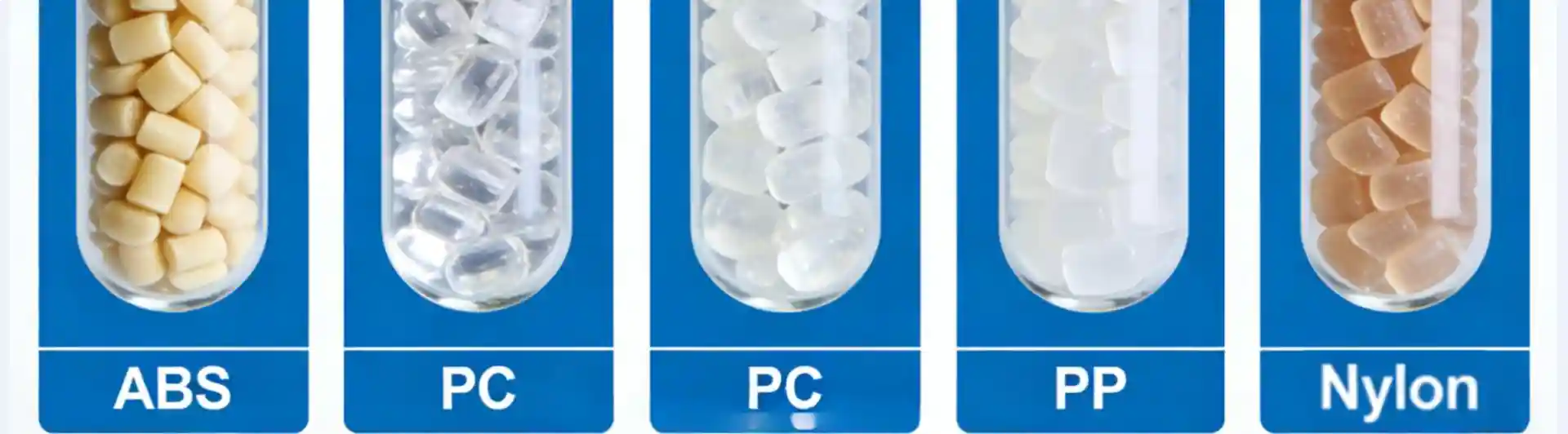
This section covers the most widely used injection molding materials, organized by performance tier.
Commodity Thermoplastics – Cost-Effective Workhorses
| Material | Key Properties | Typical Applications | Shrinkage | Relative Cost |
|---|---|---|---|---|
| ABS | Impact resistant, tough, good surface finish, easy to plate/paint | Electronic enclosures, automotive trim, consumer goods | 0.4-0.7% | Low |
| Polypropylene (PP) | Chemical resistant, flexible, fatigue resistant (living hinges), low cost | Living hinges, containers, automotive interior, medical syringes | 1.0-2.5% | Very Low |
| Polyethylene (PE) – HDPE/LDPE | Tough, chemical resistant, good electrical insulation | Bottles, caps, tanks, toys | 1.5-4.0% | Very Low |
| Polystyrene (PS) – GPPS/HIPS | Rigid, transparent (GPPS) or impact modified (HIPS), low cost | Disposable cutlery, CD cases, model kits | 0.3-0.6% | Very Low |
Engineering Thermoplastics – Enhanced Performance
| Material | Key Properties | Typical Applications | Shrinkage | Relative Cost |
|---|---|---|---|---|
| Polycarbonate (PC) | Transparent, extremely impact resistant, heat resistant, dimensionally stable | Lens covers, safety equipment, medical devices, electronics housings | 0.5-0.7% | Moderate |
| Nylon (PA6, PA66) | Strong, tough, wear resistant, good chemical resistance | Gears, bushings, bearings, automotive under-hood components | 0.5-1.5% | Moderate |
| Acetal (POM) | High stiffness, low friction, excellent dimensional stability | Precision gears, bearings, valves, zippers | 1.8-2.5% | Moderate |
| PET/PBT | Strong, chemical resistant, good electrical properties | Automotive connectors, electrical housings, beverage containers | 1.2-2.0% | Moderate |
| PMMA (Acrylic) | Excellent transparency, UV resistant, scratch resistant (less than glass) | Optical lenses, displays, light guides | 0.3-0.7% | Moderate |
High-Performance Plastics – Extreme Environments
| Material | Key Properties | Typical Applications | Shrinkage | Relative Cost |
|---|---|---|---|---|
| PEEK | High temperature resistance (up to 260°C), chemically inert, strong | Aerospace components, medical implants, oil/gas seals | 0.5-1.0% | High |
| PEI (Ultem) | High heat resistance, flame retardant, strong | Aerospace interiors, medical devices, electronics | 0.5-0.7% | High |
| PPS | Chemical resistance, high temperature, dimensional stability | Automotive fuel systems, pump components, connectors | 0.2-0.5% | High |
| LCP (Liquid Crystal Polymer) | Very high heat, thin-wall capability, excellent flow | Connectors, SMT components, fiber optics | 0.1-0.5% | High |
Explore our material-specific molding services
Elastomers for Flexible Parts
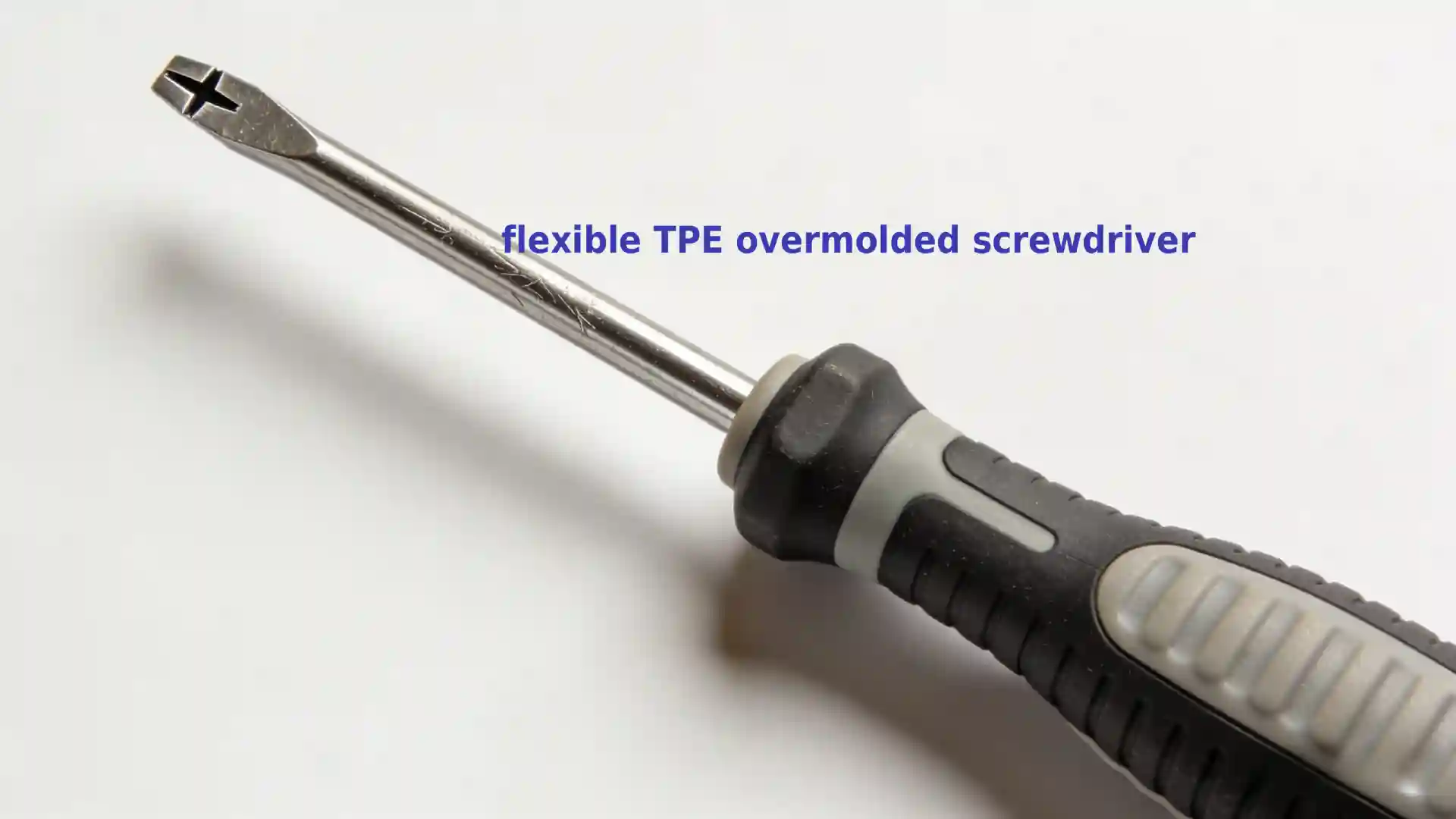
When you need flexibility, sealing, or soft-touch surfaces, consider these elastomers:
| Material | Key Properties | Typical Applications | Hardness Range |
|---|---|---|---|
| TPE (Thermoplastic Elastomer) | Flexible, overmoldable to rigid plastics, recyclable | Soft grips, seals, gaskets, footwear | 20-90 Shore A |
| TPU (Thermoplastic Polyurethane) | Abrasion resistant, tough, good oil resistance | Hoses, wheels, protective cases | 60A-75D |
| TPV (Thermoplastic Vulcanizate) | Excellent compression set, heat and oil resistant | Automotive weather seals, industrial gaskets | 50A-50D |
Filled and Reinforced Materials
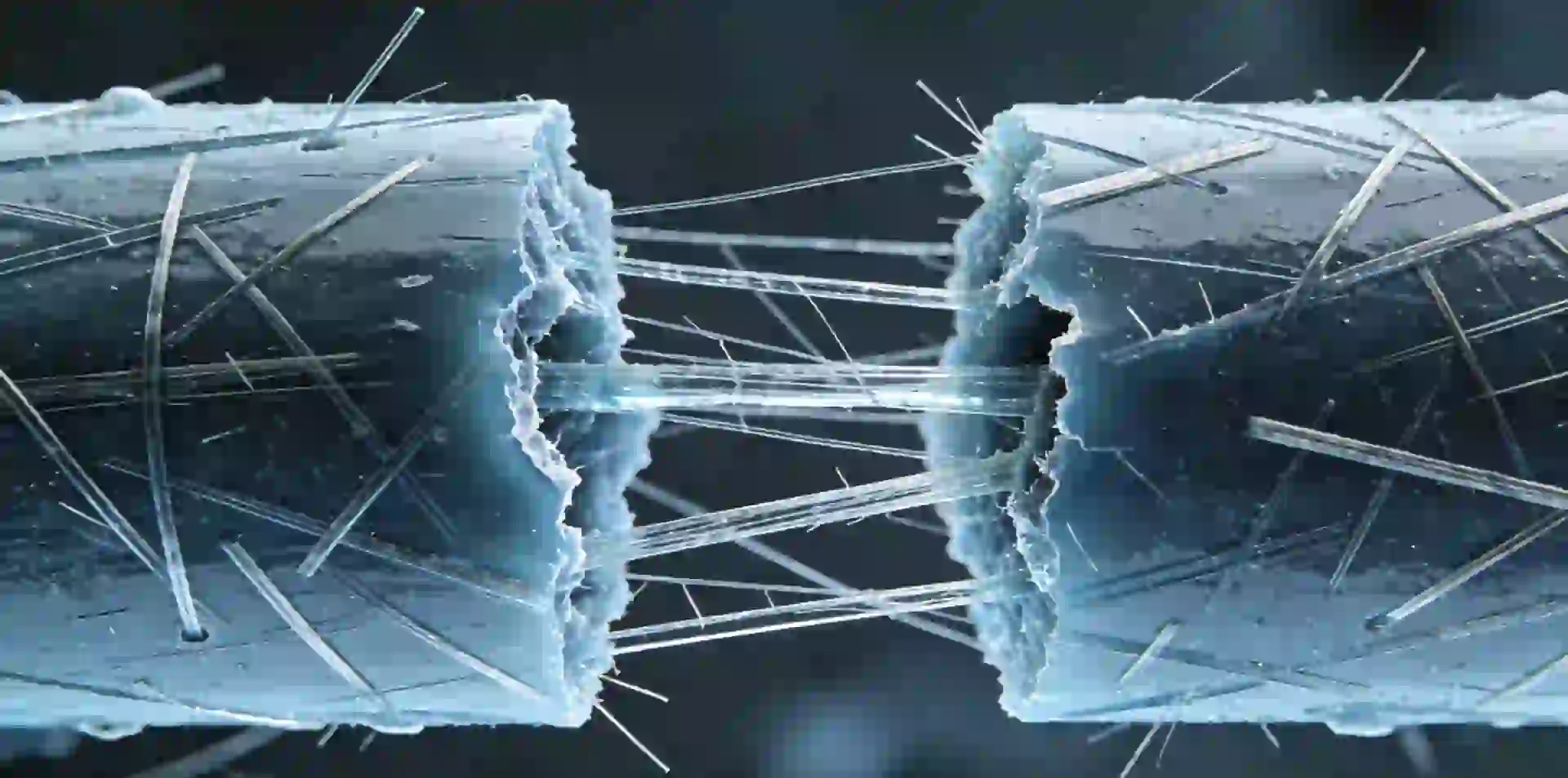
Adding fillers or reinforcements can dramatically enhance properties:
- Glass-Filled Nylon: Increases strength, stiffness, and heat resistance. Common with 13%, 30%, or 43% glass content.
- Carbon Fiber Reinforced: Highest stiffness-to-weight ratio, conductive.
- Mineral Filled: Improves dimensional stability, reduces warpage.
- Flame Retardant Additives: Achieve UL94 V-0 ratings.
- UV Stabilizers: Protect outdoor parts from sunlight degradation.
- Lubricants (PTFE, silicone): Reduce friction for moving parts.
Reinforcements improve properties but also increase abrasion on molds and may affect surface finish. Glass-filled materials can warp differently than unfilled versions. Always validate with your specific part geometry.
Material Selection Matrix – Quick Reference
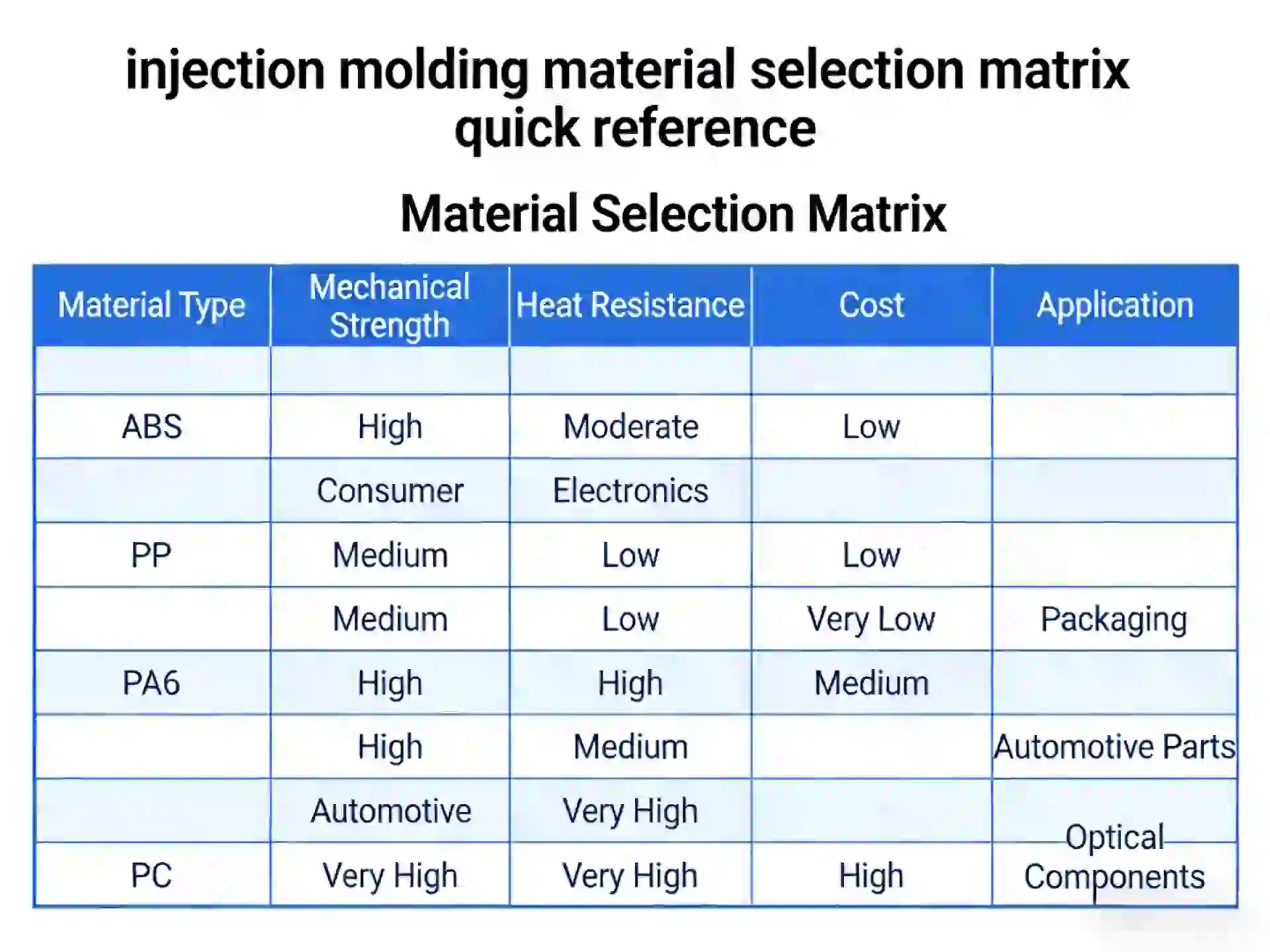
| Application Requirement | Recommended Material(s) | Avoid |
|---|---|---|
| Transparent part | PC, PMMA, PS (GPPS), SAN | ABS, Nylon (opaque) |
| High impact resistance | PC, ABS, HIPS, Nylon | PS (GPPS), PMMA (brittle) |
| High temperature (continuous >100°C) | PEEK, PEI, PPS, PC (up to 120°C), Nylon (heat stabilized) | PP, PE, ABS |
| Chemical resistance | PP, PE, PEEK, PPS, Nylon (avoid acids) | PC (poor chemical resistance) |
| Low friction / wear resistance | POM, Nylon (with lubricants), PTFE, PEEK | ABS, PS |
| Food contact | PP, PE, PC, certain grades of Nylon, PEEK | Materials without FDA approval |
| Flame retardant (UL94 V-0) | PC/ABS blends, PEEK, PEI, PPS, FR-grade ABS | Standard grades without FR additives |
| Living hinge | PP, HDPE | Rigid materials like PS, PMMA |
Material Sourcing and Certification Considerations
When sourcing materials for production, consider:
- Supply Chain Stability: Some specialty materials have long lead times or are single-sourced. We maintain relationships with multiple resin suppliers to ensure continuity.
- Lot-to-Lot Consistency: Color, melt flow, and property variations can occur. We require certificates of analysis for critical applications.
- Regulatory Compliance: Medical, food contact, and automotive applications often require specific grades with documented certifications.
- Recycled Content: If sustainability is a priority, we can help evaluate post-industrial or post-consumer recycled materials.
Common Material Selection Mistakes and How to Avoid Them
| Mistake | Consequence | How to Avoid |
|---|---|---|
| Over-specifying material | Unnecessary cost | Match material properties to actual requirements, not perceived ones. |
| Ignoring processing conditions | Difficult molding, longer cycles | Consult with molders early; provide flow length and wall thickness data. |
| Assuming all grades are the same | Performance variation | Specify exact grade and manufacturer; don’t accept substitutions without requalification. |
| Neglecting environmental factors | Premature failure | Consider UV, humidity, chemical exposure, and temperature cycles. |
| Forgetting about assembly | Cracking at snap-fits or inserts | Test assembled parts under real-world conditions. |
We’ve seen a medical device fail because the specified PC grade wasn’t gamma-stabilized—it yellowed and became brittle after sterilization. The material data sheet didn’t mention this; only deep material knowledge could have prevented it.
How Miracles Manufacturing Can Help
Selecting the right material doesn’t have to be overwhelming. Our team brings decades of experience across hundreds of material-grade combinations. When you work with us, you get:
- Expert Guidance: We help you navigate trade-offs between performance, cost, and processability.
- Material Sampling: We can mold test specimens or prototype parts to validate material choice before production tooling.
- Supply Chain Access: We source from leading resin manufacturers (BASE, Covestro, DuPont, SABIC, etc.) with full traceability.
- Documentation: Certificates of compliance, material data sheets, and regulatory documentation for your quality system.
Contact Our Material Specialists
Frequently Asked Questions
Q1: What is the most commonly used injection molding material?
A: Polypropylene (PP) is the most widely used due to its low cost, chemical resistance, and versatility. ABS is also extremely common for applications requiring good surface finish and impact strength.
Q2: Can I use the same material for prototype and production?
A: Ideally yes, but sometimes prototype materials differ (e.g., using aluminum-filled epoxy for SLA prototypes). Always validate production material in the actual process.
Q3: How do I know if a material is FDA-approved for food contact?
A: Look for grades specifically certified as FDA 21 CFR compliant. Not all grades of a given material meet FDA requirements—additives can affect compliance.
Q4: What’s the difference between Nylon 6 and Nylon 6/6?
A: Both are polyamides. Nylon 6/6 has slightly higher melting point and stiffness; Nylon 6 is often easier to process. Selection depends on temperature and mechanical requirements.
Q5: Can I injection mold biodegradable plastics?
A: Yes, materials like PLA (polylactic acid) and PHA can be injection molded, but they require careful processing (lower temperatures, dried thoroughly). They’re suitable for compostable applications.
Q6: How does material choice affect mold design?
A: Shrinkage, flow behavior, and cooling requirements all influence gate location, venting, cooling channels, and ejection. For example, glass-filled materials are more abrasive and may require harder mold steels.
Explore our detailed material guides
Conclusion
Material selection is both an art and a science. By understanding your application requirements, evaluating candidate materials systematically, and partnering with experienced molders, you can avoid costly mistakes and achieve optimal part performance.
At Miracles Manufacturing, we don’t just mold parts—we help you choose the right materials, optimize designs, and deliver quality components that stand the test of time. Whether you’re working with commodity plastics or high-performance engineering resins, our team is ready to support you.
Get Expert Material Guidance for Your Project