
ABS is one of the most versatile plastics for injection molding. It offers a great balance of strength, toughness, and surface finish. At Miracles Manufacturing, we provide a complete ABS injection molding service for clients across automotive, electronics, medical, and consumer industries. Whether you need prototype runs or high-volume production, our team has the experience to deliver quality parts on time. This page explains our capabilities, the advantages of ABS, and how we ensure your project succeeds from design to delivery.
Why Choose Miracles for Your ABS Molding Project
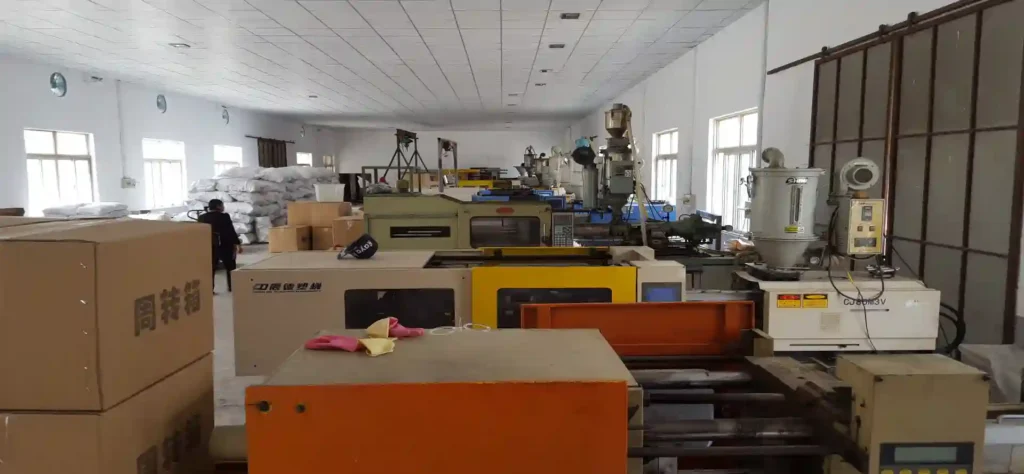
Decades of ABS Experience
Our engineers have molded thousands of ABS parts – from simple enclosures to complex automotive components. We understand how ABS flows, how it shrinks, and how to achieve the best surface finish.
End-to-End Service
We handle everything:
- DFM feedback – we review your design and suggest improvements
- Material selection – we help you choose the right ABS grade
- Mold design and building – in-house tooling for fast turnaround
- Production – from prototypes to millions of parts
- Secondary operations – assembly, printing, packaging
Quality You Can Trust
Every batch is inspected. We provide dimensional reports, material certifications, and photos upon request. For critical applications, we can work to ISO 9001 or ISO 13485 standards.
Competitive Pricing
Our in-house mold making and efficient production keep costs low. We give you clear, itemized quotes with no hidden fees.
For a complete overview of our capabilities, visit our custom injection molding manufacturer page.
What Makes ABS a Great Molding Material
ABS (Acrylonitrile Butadiene Styrene) is an amorphous thermoplastic. It has three key components:
- Acrylonitrile – adds chemical resistance and hardness
- Butadiene – provides toughness and impact resistance
- Styrene – gives rigidity and a glossy finish
Key Properties
- Impact strength – ABS is tough and resists cracking
- Surface finish – parts come out smooth, easy to paint or plate
- Dimensional stability – low shrinkage (0.4–0.7%)
- Electrical insulation – good for electronic housings
- Cost‑effective – less expensive than engineering plastics
Common Grades
- General purpose – for most applications
- High impact – extra toughness
- High heat – for warmer environments
- UV‑stabilized – for outdoor use
- Flame‑retardant – UL94 V‑0 rated
If you are unsure which grade suits your part, our team can guide you. Check out our material-specific molding services for other plastics.
Applications of ABS Injection Molded Parts

ABS is used across many industries:
| Industry | Common Parts |
|---|---|
| Automotive | Dashboard trim, grilles, interior handles |
| Electronics | Monitor housings, printer covers, TV bezels |
| Medical | Device enclosures, diagnostic equipment casings |
| Consumer goods | Toys (Lego), appliances, luggage, sporting goods |
| Industrial | Tool housings, protective cases |
No matter your application, we have the expertise to produce parts that meet your specifications.
Our ABS Injection Molding Process
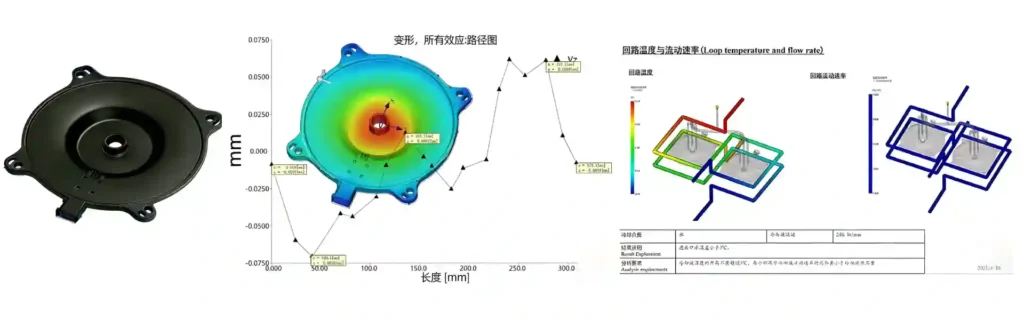
Step 1 – Design for Manufacturing (DFM)
Send us your 3D model (STEP, IGES, or STP). Our engineers review it for:
- Wall thickness uniformity
- Draft angles
- Rib and boss design
- Gate location
- Potential sink marks or warpage
We provide a DFM report with suggestions – often before you place an order. For complex parts, we can run mold flow simulation to optimize gate placement and predict fill patterns.
Step 2 – Material Selection
Based on your application, we recommend the right ABS grade. Need high impact? UV resistance? Flame retardancy? We source from leading resin suppliers (BASE, Covestro, SABIC) and provide certificates of analysis.
Step 3 – Mold Design & Manufacturing
Our in‑house toolmakers design and build molds specifically for ABS. We consider:
- Shrinkage (0.5% typical for ABS)
- Gate type and location
- Cooling channels for fast cycles
- Ejection system to avoid marks
Molds can be:
- Prototype molds (aluminum) – for 100–10,000 parts
- Production molds (hardened steel) – for high volume
Step 4 – Molding & Quality Control
We run your parts on all‑electric or hybrid injection machines for precision and repeatability. During production:
- First articles are inspected
- In‑process checks monitor dimensions and appearance
- Final inspection before shipping
Step 5 – Secondary Operations & Logistics
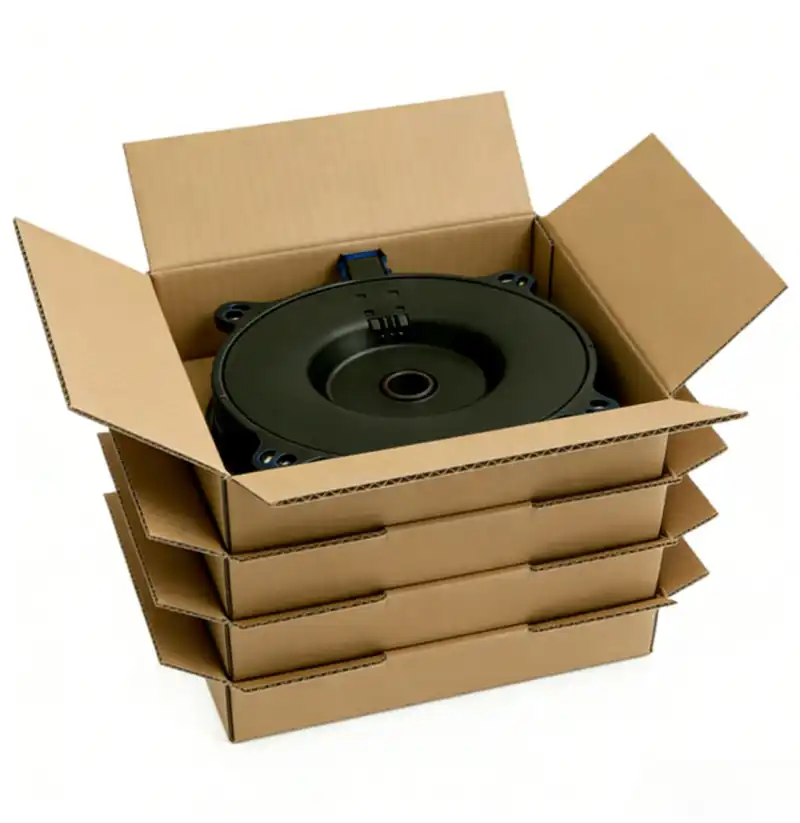
Need assembly, printing, or packaging? We offer:
- Ultrasonic welding
- Pad printing, laser marking
- Sub‑assembly
- Custom packaging
We ship worldwide – EXW, FOB, CIF, DAP, DDP.
For a deeper dive into how we optimize designs for molding, read about our design for manufacturability analysis.
Quality Assurance for ABS Parts
We take quality seriously. For every ABS project:
- First article inspection report – full dimensions, photos
- Material certification – traceability to the resin lot
- In‑process SPC – monitoring key dimensions
- Final inspection – visual and functional checks
Our quality management system follows ISO 9001 guidelines. For medical or automotive applications, we can provide additional documentation (PPAP, etc.) upon request.
Frequently Asked Questions
Q1: What is the lead time for ABS injection molded parts?
A: For prototype molds, first articles in 3–5 weeks. Production molds take 8–12 weeks. Production lead time is 2–4 weeks after tooling approval.
Q2: What surface finishes can you achieve on ABS?
A: We can polish molds to SPI A1 (mirror finish), A2, B1, C1, or add texture (MT, VDI). ABS takes paint and plating very well.
Q3: Can you mold ABS with living hinges?
A: ABS is not ideal for living hinges (polypropylene is better). But for limited flex, we can design accordingly. Let’s discuss your application.
Q4: Do you offer flame‑retardant ABS grades?
A: Yes, we can source UL94 V‑0 and V‑2 rated ABS. Please specify your requirement.
Q5: What file formats do you accept for DFM review?
A: STEP, IGES, STP, X_T, and native files like SolidWorks or UG NX.
Q6: Can you help with part design to reduce cost?
A: Absolutely. Our DFM service often saves clients 10–30% on part cost by optimizing wall thickness, rib design, and gate placement.
For more technical details on ABS, see our ABS injection molding guide.