
ABS is one of the most popular materials for injection molding. It is strong, tough, and easy to mold. Engineers and product designers choose ABS plastic for everything from car parts to toys. But what exactly is ABS? And how do you get the best results when molding it? This guide covers the properties of ABS, its advantages, and tips for successful injection molding. Whether you are new to plastics or an experienced buyer, this article will help you understand why ABS is so widely used and how to work with it effectively.
What Is ABS Plastic?
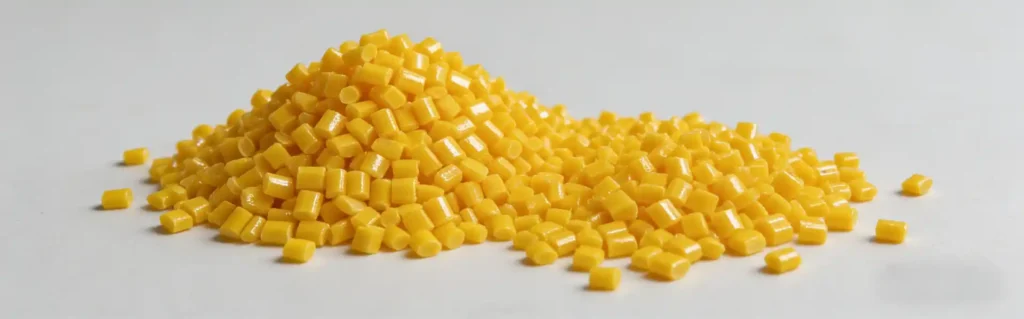
abs plastic pellets for injection molding
ABS stands for Acrylonitrile Butadiene Styrene. It is a common thermoplastic polymer. The name comes from its three building blocks:
- Acrylonitrile: Adds chemical resistance and hardness.
- Butadiene: Provides toughness and impact resistance.
- Styrene: Gives rigidity and a smooth, glossy finish.
This combination makes ABS a versatile material. It is not a single chemical but a blend that can be adjusted for different needs. You can find ABS in many grades: general purpose, high impact, high heat, and even flame-retardant versions.
A common pitfall: Some buyers assume all ABS grades are the same. But using the wrong grade can lead to part failure. Always check the datasheet for impact strength and heat resistance.
Key Properties of ABS for Injection Molding
Mechanical Strength
ABS is known for its good balance of strength and toughness. It resists impacts well, which is why it is used for protective gear, automotive parts, and durable housings. At room temperature, it is stiff but not brittle.
Surface Finish
One reason ABS is so popular is its excellent surface finish. Molded parts come out smooth and glossy. They can be painted, plated, or printed easily. This makes ABS a top choice for consumer products that need to look good.
Chemical Resistance
ABS resists diluted acids, alkalis, and many oils. However, it is not resistant to strong solvents like acetone or esters. If your part will contact chemicals, check compatibility.
Thermal Properties
ABS softens when heated (around 105°C for heat-deflection temperature). It is not for high-heat applications. For hotter environments, consider ABS blends or other materials like polycarbonate.
Electrical Insulation
ABS is a good electrical insulator. It does not conduct electricity, making it safe for electronic housings and connectors.
UV Sensitivity
Standard ABS degrades in sunlight. UV exposure causes yellowing and loss of strength. For outdoor use, you need UV-stabilized grades or a protective coating.
Real‑scenario risk: A client once used standard ABS for an outdoor enclosure. Within six months, the parts became brittle and cracked. We replaced them with UV‑stabilized ABS, and the problem was solved.
Advantages of Using ABS in Injection Molding
- Easy to mold: ABS flows well and fills thin walls without trouble.
- Dimensional stability: Parts hold their shape after cooling.
- Low shrinkage: Around 0.4–0.7%, which helps with tight tolerances.
- Recyclable: ABS can be reground and reused (with care).
- Cost-effective: It is moderately priced, cheaper than engineering plastics like PC or Nylon.
Common Applications of ABS Molded Parts

abs injection molded parts examples
You see ABS everywhere:
- Automotive: Dashboard components, trim, grilles
- Consumer goods: Toys (Lego bricks are made of ABS), appliances, luggage
- Electronics: Computer monitors, printer housings, TV bezels
- Medical: Device housings, instrument handles (not implantable)
- Industrial: Tool housings, protective cases
Injection Molding Guidelines for ABS
To get the best results, follow these tips.
Drying
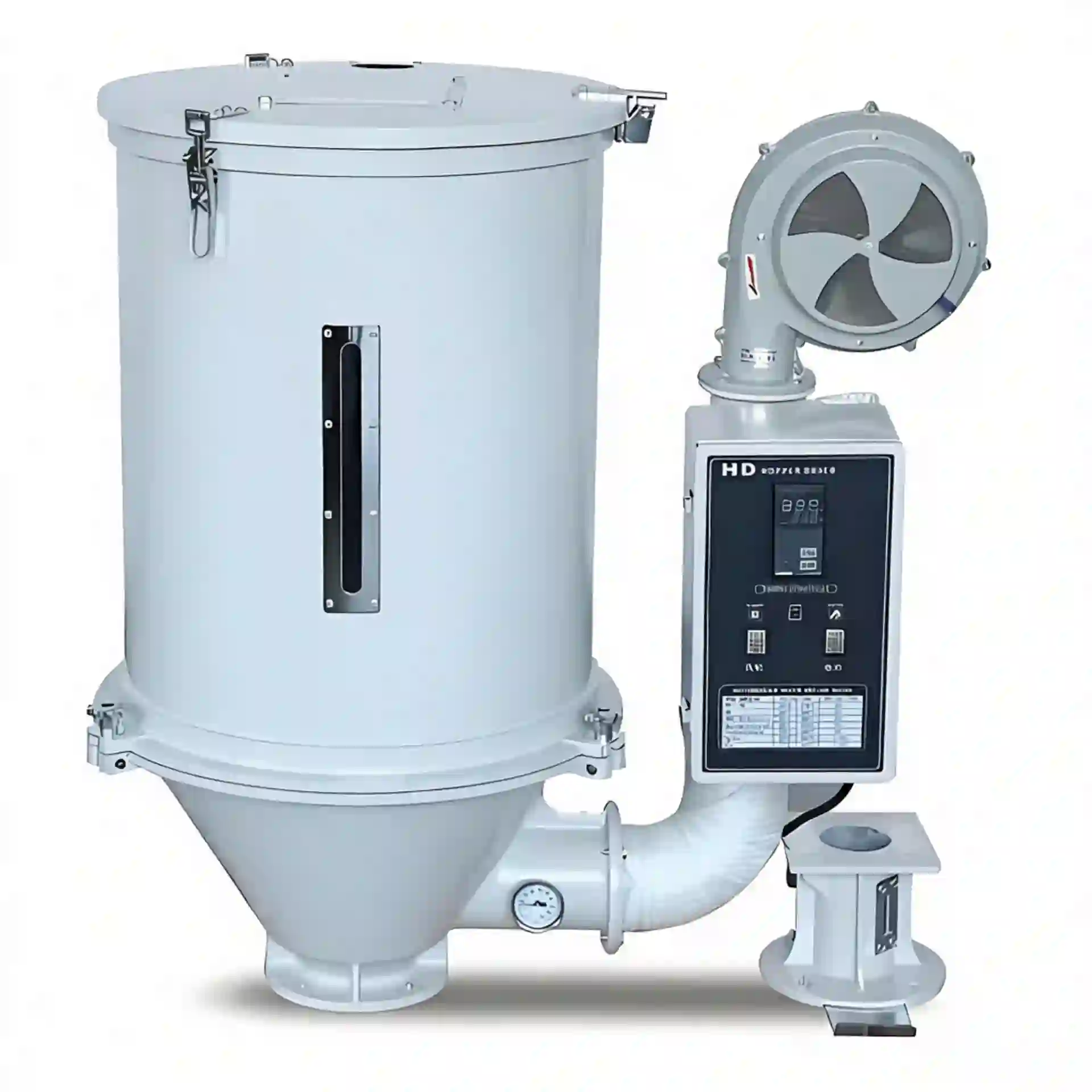
ABS absorbs moisture from the air. If you mold wet ABS, you get splay marks (silver streaks) on the surface. Always dry ABS before molding. Recommended drying: 80–90°C for 2–4 hours. Moisture content should be below 0.05%.
Melt Temperature
Typical melt temperatures range from 200°C to 250°C. Start in the middle and adjust based on flow and part appearance. Too hot and the material may degrade. Too cold and it won’t fill the mold.
Mold Temperature
A warm mold (40–80°C) improves surface finish and reduces stress. For glossy parts, use higher mold temperatures.
Injection Speed and Pressure
ABS responds well to medium to high injection speeds. This helps fill thin sections and avoids flow marks. Pressure should be high enough to pack the cavity but not so high that it causes flash.
Gate and Vent Design
ABS flows well, so you can use most gate types. But ensure vents are adequate (0.02–0.04 mm deep) to avoid burns and short shots.
For more detailed material selection advice, see our injection molding material selection guide.
Common Defects When Molding ABS and How to Fix Them
| Defect | Cause | Solution |
| Sink marks | Thick sections, low hold pressure | Increase hold pressure, reduce wall thickness |
| Weld lines | Low melt temperature, slow injection | Raise temperature, increase speed, improve venting |
| Splay (silver streaks) | Wet material | Dry ABS properly before molding |
| Burn marks | Trapped air, high injection speed | Improve venting, reduce speed |
| Flash | High injection pressure, low clamp force | Reduce pressure, increase clamp force, check mold |
If you face persistent issues, consider using a higher-flow grade or adjusting gate location.
ABS vs. Other Common Molding Materials
| Material | Strength | Heat Resistance | Cost | Typical Use |
| ABS | Good | Moderate (105°C) | $$ | Housings, toys, auto parts |
| Polycarbonate (PC) | Very high | High (130°C+) | $$$ | Lenses, safety equipment |
| Polypropylene (PP) | Moderate | Low (100°C) | $ | Living hinges, containers |
| Nylon | High | High (up to 200°C) | $$ | Gears, structural parts |
ABS sits in the middle – better than commodity plastics but cheaper than engineering resins.
Custom ABS Injection Molding Services at Miracles Manufacturing
At Miracles Manufacturing, we have extensive experience molding ABS parts. We offer:
- Material expertise: We help you choose the right ABS grade (general purpose, high impact, UV-stabilized, FR).
- DFM feedback: Our engineers review your design and suggest improvements for better moldability.
- Precision molds: We build molds that run efficiently and produce consistent parts.
- Quality control: Every batch is inspected to ensure dimensions and appearance meet your specs.
Whether you need a prototype run or high-volume production, we can handle your ABS project. Learn more about our custom ABS injection molding services.
Frequently Asked Questions
Q1: Is ABS plastic food safe?
A: Some ABS grades are FDA-approved for food contact. Check the specific grade. For food applications, use grades that meet FDA 21 CFR 177.1020.
Q2: Can ABS be used outdoors?
A: Standard ABS is not UV-resistant. It will degrade. Use UV-stabilized grades or apply a protective coating.
Q3: What is the shrinkage rate of ABS?
A: Typically 0.4% to 0.7%. Shrinkage depends on wall thickness and processing conditions.
Q4: Can ABS be overmolded with TPE?
A: Yes, ABS bonds well with TPE, making it ideal for soft-grip handles and seals.
Q5: Is ABS recyclable?
A: Yes, ABS can be reground and reused. However, regrind levels should be controlled to maintain properties.
Q6: What is the difference between ABS and ABS/PC blend?
A: ABS/PC blends combine the toughness of ABS with the heat resistance and strength of polycarbonate. They are used for higher-performance applications.
Summary
ABS is a versatile, cost-effective material for injection molding. It offers good strength, excellent surface finish, and easy processing. By understanding its properties and following best practices, you can produce high-quality parts for many industries.
If you have an ABS project in mind, contact Miracles Manufacturing. We are ready to help.