
Understanding the Real Differences Across Sports, Use Scenarios, and Performance Requirements
Introduction
In professional sports flooring projects, one of the most common — and most costly — misunderstandings is assuming that a competition spring floor kit is always the best choice.
In reality, training and competition spring floor systems are designed with different priorities, different mechanical behaviors, and different risk considerations. Choosing the wrong type may not only reduce performance, but also increase injury risk, maintenance costs, and long-term dissatisfaction from athletes and facility operators.
This article explains the practical, engineering-level differences between training and competition spring floor kits, with real application examples across gymnastics, cheerleading, martial arts, and general fitness facilities.
It is written for:
- Gym flooring system integrators
- Sports facility owners and managers
- Equipment brands and OEM buyers
- Contractors responsible for safety and performance outcomes
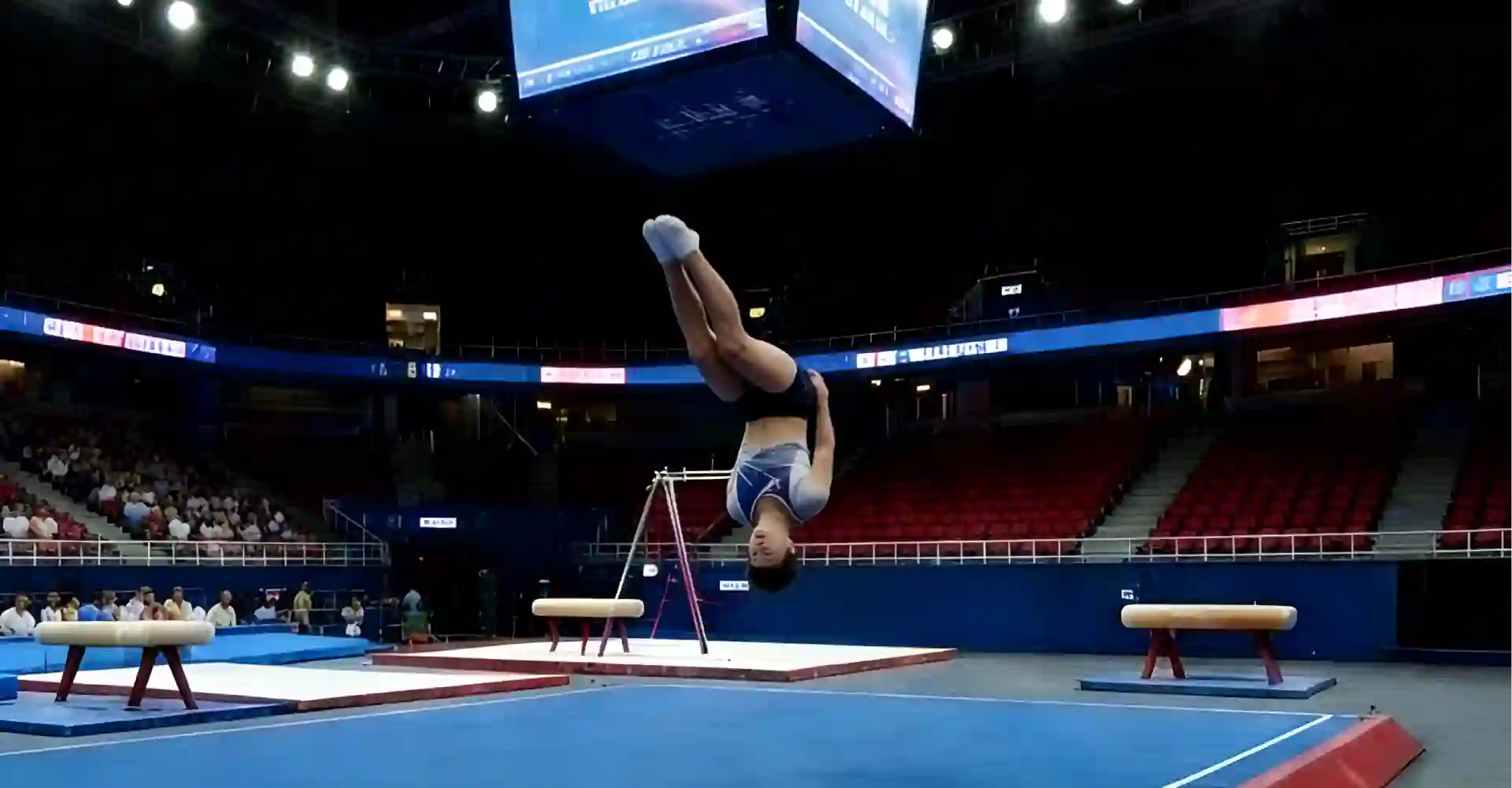
1. Why “Training vs Competition” Is a Real Engineering Question
At first glance, both training and competition spring floors may look identical:
- Same floor panels
- Same spring components
- Same overall structure
However, their performance targets are fundamentally different.
Competition floors are designed to:
- Deliver consistent rebound
- Maximize energy return
- Perform predictably under standardized conditions
Training floors are designed to:
- Protect athletes during frequent use
- Reduce cumulative joint impact
- Support learning, repetition, and progression
These differences directly influence spring selection, layout density, and overall system tuning.
2. Core Performance Priorities Compared
2.1 Competition Spring Floor Kits
Primary priorities:
- Rebound consistency
- Energy efficiency
- Uniform response across the entire floor area
Competition systems aim to provide athletes with predictable takeoff and landing behavior, enabling precise timing and maximum performance during routines.
As a result, competition spring floors are usually:
- Firmer overall
- More densely sprung
- Installed to tightly controlled layouts
Comfort is important, but performance repeatability is the dominant design goal.
2.2 Training Spring Floor Kits
Training systems prioritize:
- Shock absorption
- Injury prevention
- Long-term physical sustainability
Athletes train far more hours than they compete. Repetitive landings on overly stiff floors increase fatigue and injury risk over time.
Training spring floors therefore tend to be:
- Slightly softer
- More forgiving on landing
- Tuned for repeated daily use
This does not mean “low quality” — it means different optimization.
3. Differences by Sport Type
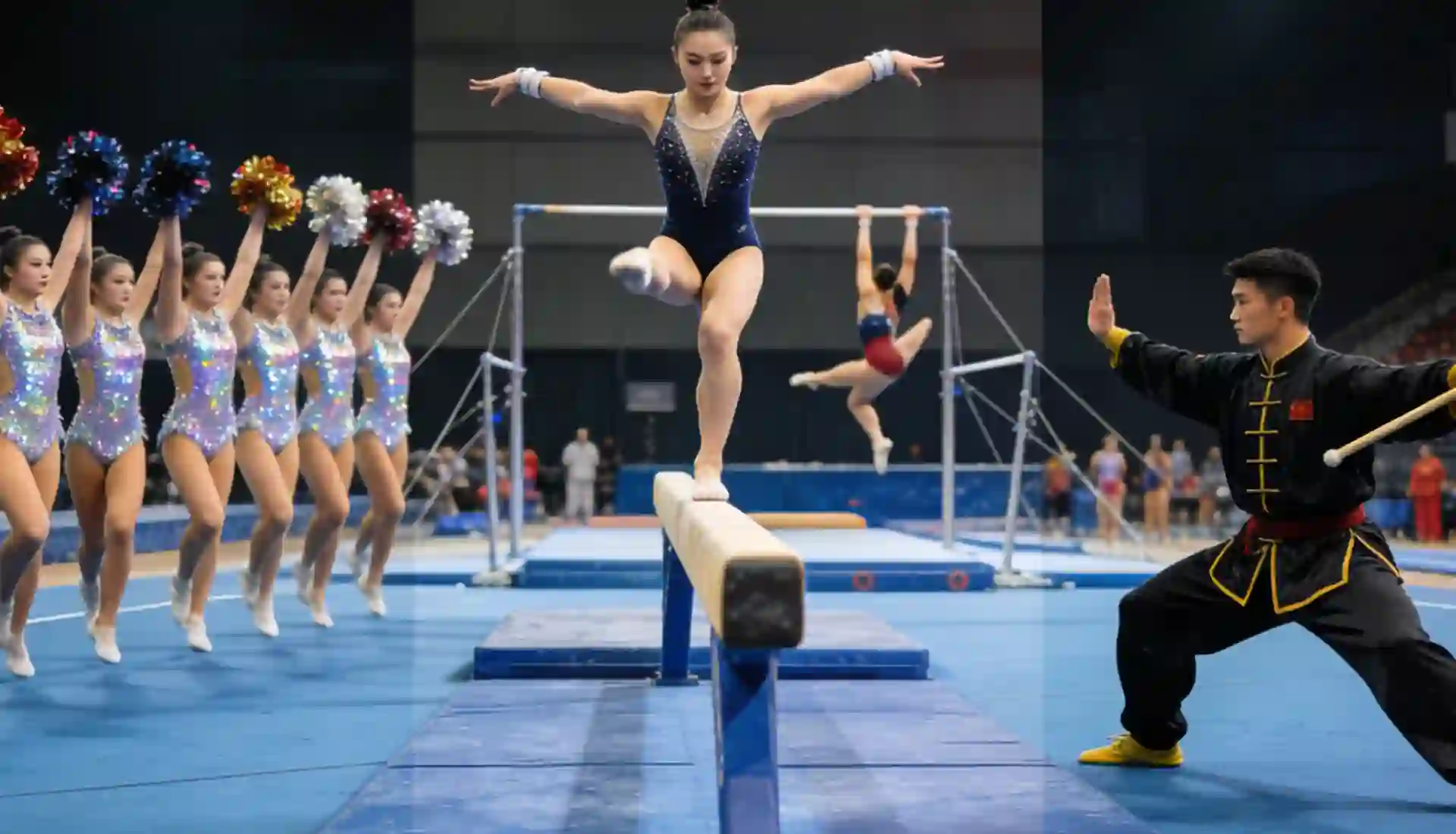
3.1 Gymnastics
Competition:
- Requires standardized rebound behavior
- Designed for tumbling, high vertical jumps, and precise landings
- Emphasizes vertical energy return
Training:
- Used for skill repetition and progression
- Often paired with additional safety mats
- May use varied spring layouts for different athlete levels
In many facilities, multiple spring configurations are used depending on athlete age and training phase.
3.2 Cheerleading
Cheerleading places unique demands on spring floors:
- High-frequency jumps
- Dynamic group stunts
- Landings from elevated positions (pyramids and tosses)
As a result, cheer floors often emphasize:
- Enhanced shock absorption
- Stability under uneven loading
Training systems for cheerleading are frequently tuned softer than competition systems to reduce injury risk during repeated stunt practice.
3.3 Martial Arts
Martial arts applications involve:
• Vertical impact
• Horizontal movement
• Rotational and rolling forces
Unlike gymnastics, forces are applied in multiple directions. Spring floors for martial arts must therefore provide:
• Multi-directional shock absorption
• Controlled rebound without excessive bounce
Training floors are typically preferred, even for competitive environments, due to safety considerations.
3.4 Fitness Gyms and Multi-Purpose Facilities
In commercial fitness environments, spring floors are used for:
• Aerobics
• Functional training
• Dance and group classes
Key requirements include:
• Durability
• Comfort
• Versatility across activities
These floors are almost always closer to training-type configurations rather than competition setups.
4. Force Direction Matters More Than Many Buyers Realize
Spring floor kits are primarily designed to respond to vertical loads. However, real sports involve complex force patterns.
Vertical Forces
• Gymnastics landings
• Vertical jumps
Horizontal Forces
• Run-ups
• Sliding movements
Rotational Forces
• Twists
• Group stunts
• Martial arts rolls
Training spring floors typically handle multi-directional forces better because of their more forgiving configurations.
If you are eager to have a look at our spring floor kit , pls kindly visit https://miraclesmfg.net/products/spring-floor-kit/ or contact us directly
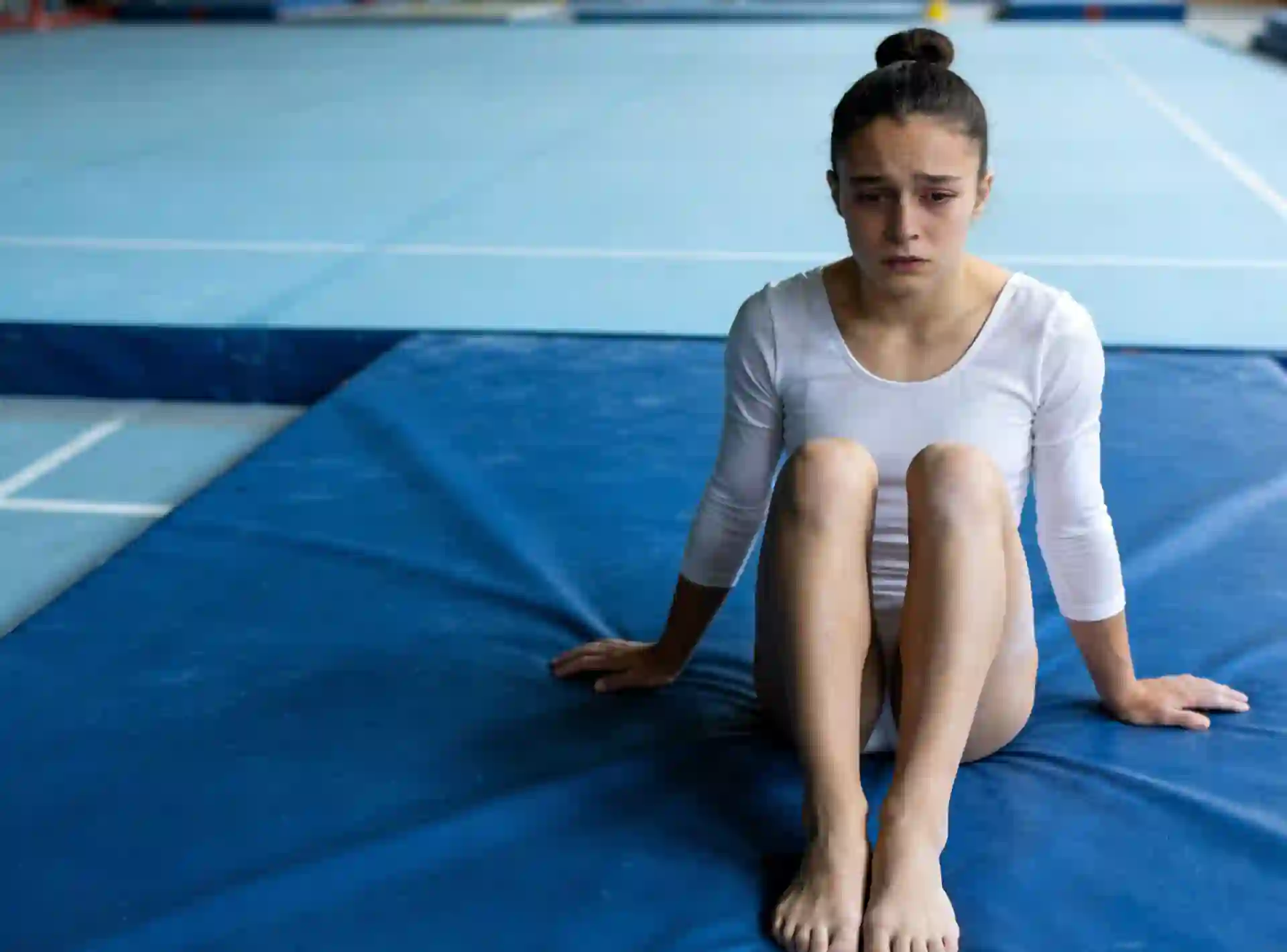
5. Why Competition Floors Are Not Always Ideal for Daily Use
Using competition-level spring floors for daily training may lead to:
- Increased fatigue
- Higher injury risk
- Reduced athlete longevity
This is why many elite facilities maintain:
- Softer training floors
- Firmer competition floors
Even when using the same spring components, layout density and spacing adjustments create very different outcomes.
6. System-Level Configuration Makes the Difference
The distinction between training and competition floors is rarely about the spring alone.
It involves:
- Spring stiffness selection
- Spring spacing
- Floor panel structure
- Subfloor rigidity
This is why professional buyers focus on system tuning, not individual component specifications.
7. Choosing the Right Configuration for Your Project
Ask the following questions:
- Who will use the floor most often?
- How many hours per day?
- What is the athlete level?
- Is the floor primarily for training, competition, or both?
Clear answers lead to better system decisions.
8. Common Buyer Mistakes
- Assuming competition floors are universally superior
- Ignoring cumulative training impact
- Selecting systems without testing
- Overlooking future athlete progression
Avoiding these mistakes significantly improves long-term outcomes.
9. Conclusion: Match the Floor to the Purpose
Training and competition spring floor kits serve different roles. The best system is not the stiffest or the most expensive, but the one that matches the actual usage scenario.
Understanding these differences allows buyers to:
- Improve athlete safety
- Optimize performance
- Reduce long-term maintenance costs